DeQuervains Syndrome Symptoms
DeQuervains Syndrome Can Feel Like Arthritis Of The Thumbs
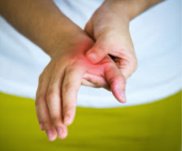
While there is usually no numbness or tingling associated with DeQuervains Syndrome, the arthritis-like symptoms can be severe, long lasting and can seriously affect the use and function of the thumb and hand. Any movement of the thumbs is painful. Hobbies and sports take a back seat in your life. For this reason, a carefully crafted program of self care is especially important.
Pain Crosses The Wrist and Into The Forearm
DeQuervains Syndrome symptoms involve the thumb and the muscles and
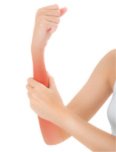
fascia that cross the thumb joint and extend into the arm. In deQuervains Syndrome, movement of the thumb becomes very painful, feeling somewhat like arthritis in the thumb joint. The muscle and tendon that lift the thumb toward the back of the hand are also often involved in this injury. When moved, pain extends from the base of the thumb, across the wrist and into the top of the forearm following the path of the extensor muscles of the thumb.
Pain In The Web Joining The Thumb and Palm
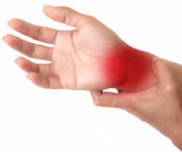
It is also possible to have symptoms of pain, restriction, aching, or shortness in the web of tissue that joins the thumb to the palm. It is common for this tissue to become short and tight in deQuervains Syndrome, causing, I believe, a destabilization of the joint at the base of the thumb, leading to intense arthritis-like pain when the thumb is moved.
Tissue Change Begins In The Shoulder!
If you pay close attention, you can feel a faint sense of movement in the muscles and soft tissues that lead from the thumb all the way to the top of the arm at the shoulder when the thumb is lifted. This indicates that tissues connected through the matrix of fascia extending from the thumb to the shoulder is also involved in DeQuervains Syndrome. If the condition of these remote tissues are ignored in the recovery process, then results will not last long.
To learn more about deQuervains Syndrome, visit the following sections:
deQuervains Syndrome Anatomy
deQuervains Syndrome Self Care
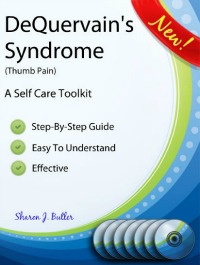
Click the block below that most closely matches your injury for more information and to find the Toolkit we offer to help you in your recovery.



Recent Articles


-
Golfers Elbow Symptoms
Oct 11, 18 05:40 PM
Golfers Elbow (Medial Epicondylitis) symptoms include pain at the medial epicondyle when the fingersw are closed, the wrist bent palmward, or pressure is put on the forearm near the elbow. -
deQuervains Syndrome
Oct 11, 18 05:40 PM
DeQuervains Syndrome is an arthritis-like pain in the thumb, with pain extending through the wrist and forearm when the thumb is moved. Information on symptoms, self care and anatomy. -
Tennis-Elbow-Anatomy
Oct 11, 18 05:40 PM
Tennis Elbow (Lateral Epicondylitis) anatomy is most affected by the extensor muscles and rotator muscles found in the forearm.

Sharon Butler has been a Practitioner of Hellerwork Structural Integration for 34 years and has specialized in helping people recover from Repetitive Strain Injuries of the upper body since 1991. She is the author of the best selling book, “Conquering Carpal Tunnel Syndrome and Other Repetitive Strain Injuries: A Self Care Program” along with 7 comprehensive specialized programs for the Self Care of RSI’s.