Carpal Tunnel Syndrome Symptoms
Click HERE to Learn More
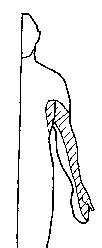
Carpal Tunnel Syndrome symptoms are caused by a squeezing or compression of the median nerve as it travels from the front of the shoulder, through the arm and wrist and into the hand and fingers. When the median nerve is compressed, your hand and fingers cannot function normally, leading to numbness, tingling and weakness. Here is what to look out for.
Numb, Weak and Tingling Fingers is the Primary Carpal Tunnel Syndrome Symptom
When your fingers are numb and/or weak, you cannot do anything with your hands. Dropping objects, feeling insecure about lifting things, even performing your job or daily household activities become all but impossible.
Sleeping becomes difficult because numb fingers will wake you up. Driving, sports, and other normal activities like drying your hair, pulling laundry out of a clothes dryer, or cooking dinner become things you have to carefully consider due to the danger of not having full use of your hands to safely perform them.
Adhesions, or stuck spots, are the cause of all these symptoms. So that you can understand the impact that adhesions can have on your nerves and their function, check out the page on fascia and nerves.
All of these symptoms are caused by the median nerve being squeezed and irritated. Refer to the Carpal Tunnel Syndrome Anatomy page to understand the parts of your body are the most impacted by this condition.
Aching and Painful Wrists
Typical symptoms of Carpal Tunnel Syndrome include aching or pain in the wrist, numbness and tingling of the thumb, the index and middle finger, and often part of the ring finger.
Many people complain of numbness that wakes them in the middle of the night. Others feel numbness when doing anything that requires bringing the fingers together in a pinching motion like grasping a tool or paintbrush.
Lots of people report that pens and pencils simply slip out of their grasp. Others experience burn injuries and other trauma to their hands because the numbness keeps them from feeling pain when accidents occur.
Weakness and Loss Of Strength
Weakness or loss of strength is another very troubling symptom of Carpal Tunnel Syndrome.
Many people hesitate to pick up their infant children for fear of dropping them.
Simple tasks like pouring juice from a half gallon carton can be almost impossible for those so seriously affected. Even turning a key in the car door can be especially challenging. And, forget about pumping your own gas! Squeezing the pump handle can be really difficult.
Adhesions Play A Big Role In Carpal Tunnel Syndrome Symptoms
Often without realizing it, almost all people who suffer from Carpal Tunnel Syndrome have a significant amount of tissue change and fascia adhesions higher up along the median nerve pathway, especially through the shoulders and armpits.
One sign that this is a part of your injury is an inability to raise arms completely overhead (so that your upper arms reach all the way up next to your ears) without causing numbness, tingling, or muscle pain.
You might also have difficulty bending your wrist fully.
Often, muscles and the fascia are so stuck, they impede the full range of motion of the arms and hands. Fascia that is stuck through the armpits can be the culprit here.
It's important to realize that fascia all along the pathway of the median nerve has the potential to create a drag on the smooth movement of the nerve as muscles contract and relax in the arm. That drag is another source of irritation that can lead to numbness, tingling and weakness.
Limited Range of Motion Is A Factor
One of the Carpal Tunnel Syndrome symptoms that people often miss is the loss of range of motion in the arms due to the shoulder blades becoming stuck, preventing the normal full motion of the shoulders and arms. This creates strain to the whole upper body, particularly through the armpits which is the uppermost point where the median nerve can become irritated. Adhesions here will tug on the median nerves as you move your shoulders and arms, contributing to the strain and irritation of your injured median nerve.
To learn more about Carpal Tunnel Syndrome, visit the following sections:
Carpal Tunnel Syndrome Anatomy
Carpal Tunnel Syndrome Self Care
Click the block below that most closely matches your injury for more information and to find the Toolkit we offer to help you in your recovery.







Recent Articles


-
Golfers Elbow Symptoms
Oct 11, 18 05:40 PM
Golfers Elbow (Medial Epicondylitis) symptoms include pain at the medial epicondyle when the fingersw are closed, the wrist bent palmward, or pressure is put on the forearm near the elbow. -
deQuervains Syndrome
Oct 11, 18 05:40 PM
DeQuervains Syndrome is an arthritis-like pain in the thumb, with pain extending through the wrist and forearm when the thumb is moved. Information on symptoms, self care and anatomy. -
Tennis-Elbow-Anatomy
Oct 11, 18 05:40 PM
Tennis Elbow (Lateral Epicondylitis) anatomy is most affected by the extensor muscles and rotator muscles found in the forearm.

Sharon Butler has been a Practitioner of Hellerwork Structural Integration for 34 years and has specialized in helping people recover from Repetitive Strain Injuries of the upper body since 1991. She is the author of the best selling book, “Conquering Carpal Tunnel Syndrome and Other Repetitive Strain Injuries: A Self Care Program” along with 7 comprehensive specialized programs for the Self Care of RSI’s.