Tennis Elbow Self Care
Tennis Elbow (Lateral Epicondylitis) self care requires multiple actions in order to be most successful. A well rounded program would include appropriate stretches, ergonomic changes, changes in unconscious habits that may lead to strain at the lateral epicondyle and other health supporting modifications.
Slow and gentle stretching by bending the wrist toward the palm of the hand is very helpful for restoring injured tissues to their normal function and range of motion. Adding a gentle twist can also be effective as it encourages the release of adhesions between the muscle bellies that attach to the lateral epicondyle. Try exercises with your arm straight, and then again with your arm bent at the elbow to see which feels better to you. One of my favorite stretches for Tennis Elbow or Lateral Epicondylitis is simply to hang my arm at my side, elbow straight. The aching you feel as a result of this simple stretch is good, but spend no longer than twenty seconds at a time holding this stretch for the best results. The object of your stretching program should be to gain gradual and slow improvement in your symptoms. It is virtually impossible to restore injured and irritated tendons back to a normal state by stretching aggressively, too often, or in an unconscious manner. Slow and easy wins the race!
Sources of stress, such as resting the wrists on a tabletop or desk need to be identified and reduced or eliminated. Proper ergonomics when using a computer is essential. Look for times when your hand is bent back and see if you can eliminate the need for that movement. Keeping a straighter wrist is more ergonomically correct and offers less strain to the muscles that contribute to Tennis Elbow or Lateral Epicondylitis.
If you are in a job that requires twisting of the forearm while carrying a weight, like carrying a tray, a pile of books, or a small child, then it is important that you regularly reverse that strain by taking time to stretch slowly and gently throughout your day. The stretches outlined above will also be helpful for you. Be sure to repeat them several times each day for the best results.
Always remember that injured tissues will heal faster if they are well hydrated. Remember to drink lots of water every day. Adequate hydration promotes easy movement of the fascia that wraps each muscle, allowing one set of muscles to slide more effortlessly across the surface of adjacent muscles, discouraging the formation of adhesions. This is a really good thing so drink plenty of water!
If you would like to learn more about Tennis Elbow or Lateral Epicondylitis, visit the following sections:
Tennis Elbow Anatomy
Tennis Elbow Symptoms

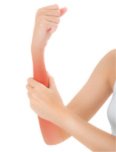
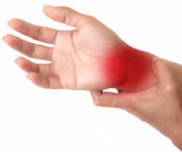
Click the block below that most closely matches your injury for more information and to find the Toolkit we offer to help you in your recovery.





Recent Articles


-
Golfers Elbow Symptoms
Oct 11, 18 05:40 PM
Golfers Elbow (Medial Epicondylitis) symptoms include pain at the medial epicondyle when the fingersw are closed, the wrist bent palmward, or pressure is put on the forearm near the elbow. -
deQuervains Syndrome
Oct 11, 18 05:40 PM
DeQuervains Syndrome is an arthritis-like pain in the thumb, with pain extending through the wrist and forearm when the thumb is moved. Information on symptoms, self care and anatomy. -
Tennis-Elbow-Anatomy
Oct 11, 18 05:40 PM
Tennis Elbow (Lateral Epicondylitis) anatomy is most affected by the extensor muscles and rotator muscles found in the forearm.

Sharon Butler has been a Practitioner of Hellerwork Structural Integration for 34 years and has specialized in helping people recover from Repetitive Strain Injuries of the upper body since 1991. She is the author of the best selling book, “Conquering Carpal Tunnel Syndrome and Other Repetitive Strain Injuries: A Self Care Program” along with 7 comprehensive specialized programs for the Self Care of RSI’s.